Web design is a crucial aspect of the digital landscape, shaping the online experiences we encounter every day. A web designer plays a pivotal role in creating visually appealing and user-friendly websites that leave a lasting impression on visitors.
In this guide, we will explore the responsibilities and skills required for web design, along with the step-by-step process web designers follow. Whether you’re considering a career in web design or simply want to understand the profession better, this article will provide valuable insights.
Understanding Web Design
Web design encompasses various components that contribute to a website’s overall appeal and functionality.
A web designer must have a keen eye for aesthetics, ensuring that the visual elements, such as color schemes, typography, and graphics, create an engaging user experience (UX).
Furthermore, user interface (UI) design focuses on crafting intuitive and accessible website layouts, while responsiveness and compatibility guarantee that the site adapts seamlessly to different devices and browsers. Finally, information architecture and navigation are crucial for organizing content and providing effortless browsing.
Roles and Responsibilities of a Web Designer
A web designer’s responsibilities extend beyond creating visually stunning websites. They collaborate with clients and stakeholders to understand their requirements, conducting research to gain insights into the target audience and industry trends.
Wireframing and prototyping help them establish the structure and functionality of the website before moving on to the visual design phase. Accessibility and usability considerations ensure that the website can be easily navigated by all users, including those with disabilities.
Web designers are also responsible for implementing search engine optimization (SEO) best practices, enhancing a website’s visibility in search results. They perform thorough testing and debugging to ensure that the website functions flawlessly across various devices and browsers. Additionally, web designers must stay up to date with the latest industry trends and technologies to deliver cutting-edge designs.
Web Design Process
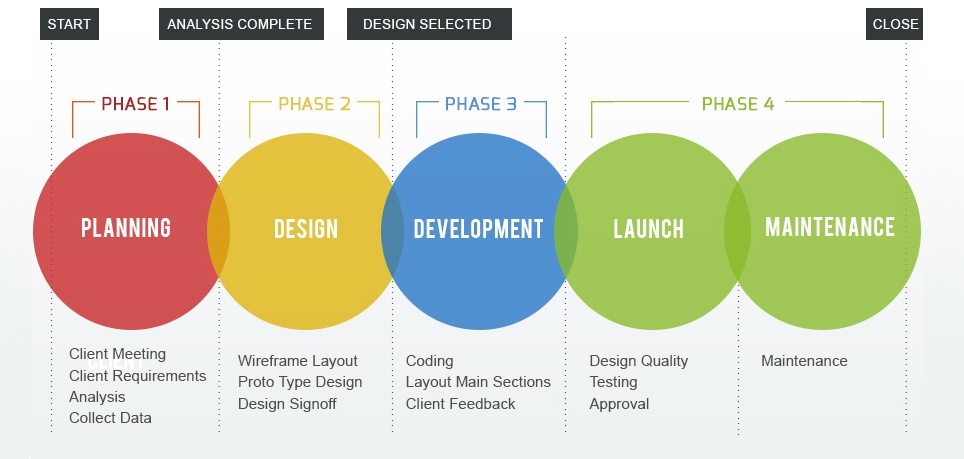
The web design process involves several stages, each contributing to the final result. First, understanding the client’s requirements is crucial to align the design with their vision. Research and planning help gather information about the target audience and competitors, ensuring that the design caters to their needs effectively. Wireframing and prototyping provide a blueprint of the website’s structure and functionality, allowing for feedback and revisions.
The visual design and UI development stage focus on creating an aesthetically pleasing and intuitive interface. This involves selecting appropriate color schemes, typography, and graphics that align with the client’s branding. Content creation and integration involve crafting compelling copy, optimizing multimedia elements, and integrating them seamlessly into the design.
Development and coding bring the design to life, using HTML, CSS, and JavaScript to build a functional website. Testing and quality assurance are vital to identify and fix any issues before deployment. Finally, the website is deployed and launched, and ongoing maintenance ensures that it remains up to date and optimized for performance.
Essential Skills and Tools for Web Designers
To excel as a web designer, certain skills and tools are essential. Design skills encompass graphic design, color theory, typography, and layout composition, enabling designers to create visually appealing websites.
Technical skills such as HTML, CSS, JavaScript, and responsive design are necessary for implementing designs effectively across different devices and screen sizes. Familiarity with content management systems (CMS) allows designers to efficiently manage website content.
Design and prototyping tools like Adobe Creative Suite (Photoshop, Illustrator, etc.) or Sketch, Figma, XD, and prototyping tools (InVision, Marvel, etc.) facilitate the design process. Additionally, project management and collaboration tools like Asana, Trello, Slack, or Microsoft Teams help streamline communication and workflow efficiency.
Becoming a Web Designer
Education and formal training in web design provide a strong foundation, but online resources, tutorials, and courses can also be valuable learning tools. Building a portfolio showcasing your skills and creativity is crucial to demonstrate your capabilities to potential clients or employers.
Networking and joining professional communities allow you to learn from experienced designers and stay updated with the latest industry trends.
Continuous learning and professional development are vital in the ever-evolving field of web design. Keeping up with new technologies, attending workshops, and exploring emerging design trends will ensure that you remain competitive and deliver high-quality designs.
What are the duties of a web designer?
As a web designer, your duties revolve around creating visually appealing and functional websites. Some of the key responsibilities include:
- Designing and creating website layouts: This involves conceptualizing and implementing the overall visual design and structure of a website.
- Selecting color schemes, typography, and graphics: You’ll choose appropriate colors, fonts, and images that align with the client’s brand and create a cohesive visual identity.
- Creating and optimizing multimedia content: Incorporating multimedia elements like images, videos, and animations to enhance the website’s engagement and user experience.
- Collaborating with clients and stakeholders: Understanding client requirements, gathering feedback, and effectively communicating and collaborating with team members and stakeholders throughout the design process.
- Conducting research and gathering requirements: Researching target audiences, industry trends, and competitors to inform design decisions and ensure the website meets its objectives.
- Wireframing and prototyping: Creating wireframes and prototypes to establish the website’s structure, functionality, and user flow before moving on to visual design.
- Ensuring accessibility and usability: Designing websites that are accessible to all users, including those with disabilities, and ensuring intuitive navigation and user-friendly interfaces.
- Implementing SEO best practices: Optimizing website elements to improve search engine visibility and enhance organic traffic.
- Testing and debugging: Thoroughly testing the website across different devices, browsers, and operating systems to identify and resolve any issues or bugs.
- Keeping up with industry trends and technologies: Staying informed about the latest design trends, emerging technologies, and best practices to deliver innovative and up-to-date designs.
What skills does a web designer need?
To excel as a web designer, you need a combination of technical and creative skills. Some of the key skills include:
- Graphic design: Proficiency in graphic design principles, including layout, composition, color theory, and typography.
- HTML, CSS, and JavaScript: Strong knowledge of front-end web development languages to effectively translate design concepts into functional websites.
- Responsive design: The ability to design and develop websites that adapt seamlessly to different screen sizes and devices.
- User experience (UX) design: Understanding user behavior, conducting user research, and applying UX principles to create intuitive and user-friendly interfaces.
- Content management systems (CMS): Familiarity with popular CMS platforms such as WordPress, Joomla, or Drupal to manage and update website content.
- Design tools: Proficiency in design software like Adobe Creative Suite (Photoshop, Illustrator, etc.) or Sketch, Figma, XD for creating and editing visual assets.
- Prototyping tools: Knowledge of prototyping tools like InVision, Marvel, or Axure for creating interactive prototypes and demonstrating website functionality.
- SEO knowledge: Understanding the basics of search engine optimization (SEO) to optimize website elements and improve visibility in search engine rankings.
- Collaboration and project management: Strong communication skills, ability to work effectively in a team, and familiarity with project management tools like Asana, Trello, or Jira.
- Creativity and attention to detail: Having a creative mindset, a keen eye for aesthetics, and paying attention to detail to create visually appealing and polished designs.
Do web designers make money?

Yes, web designers can earn a good income. The salary or income of a web designer can vary depending on various factors such as their experience, location, skillset, and the type of employment (freelance, full-time, or agency). According to industry reports, the average salary of a web designer ranges from around $45,000 to $80,000 per year. However, highly skilled and experienced web designers can earn even more.
Freelance web designers have the potential to earn higher rates by working on a project basis and charging clients based on their expertise and the complexity of the project. Additionally, web designers who specialize in specific areas such as user experience (UX) design or e-commerce design may have an edge in terms of higher earning potential.
Ultimately, the income of a web designer is influenced by their skills, portfolio, reputation, and ability to deliver high-quality designs that meet client expectations.
Is web design hard?
Web design can be challenging, especially when you are starting and learning new skills. However, with dedication and practice, it becomes more manageable. Here are some aspects to consider:
- Learning curve: Web design involves mastering various technical skills like HTML, CSS, JavaScript, and design principles. The initial learning curve can be steep, but there are numerous online resources, tutorials, and courses available to help you learn and improve.
- Evolving industry: Web design is constantly evolving, with new technologies and design trends emerging regularly. Keeping up with these changes requires continuous learning and adapting to stay relevant.
- Problem-solving: Web design often involves troubleshooting and finding solutions to design or coding challenges. Developing problem-solving skills is crucial to overcome obstacles during the design process.
- Collaboration and communication: Working with clients, stakeholders, and team members requires effective communication and collaboration skills. Understanding and translating client requirements into visually appealing designs is an essential aspect of web design.
Conclusion
In conclusion, a web designer’s role extends beyond creating visually appealing websites. They are responsible for crafting engaging user experiences, ensuring accessibility and usability, implementing SEO best practices, and staying up to date with industry trends and technologies.
The web design process involves understanding client requirements, research, wireframing, visual design, development, testing, deployment, and ongoing maintenance. By acquiring the necessary skills, using the right tools, and continuously learning, you can embark on a successful career in web design.
So, whether you’re a client seeking professional design services or an aspiring designer, understanding the importance of web design is crucial in today’s digital era.